
Dr. Pamela Brewer Welcomes You to
M.E.S.H.
The safe place for you to learn about
ALL MATTERS AFFECTING YOUR M (MENTAL),
E (EMOTIONAL), AND S (SOCIAL) H (HEALTH)
The safe place for you to learn about ALL MATTERS AFFECTING YOUR (M) MENTAL, (E) EMOTIONAL, AND (S) SOCIAL (H) HEALTH.
Dr. Pamela Brewer Welcomes You to
M.E.S.H.
The safe place for you to learn about. ALL MATTERS AFFECTING YOUR (M) MENTAL, (E) EMOTIONAL, AND (S) SOCIAL (H) HEALTH.
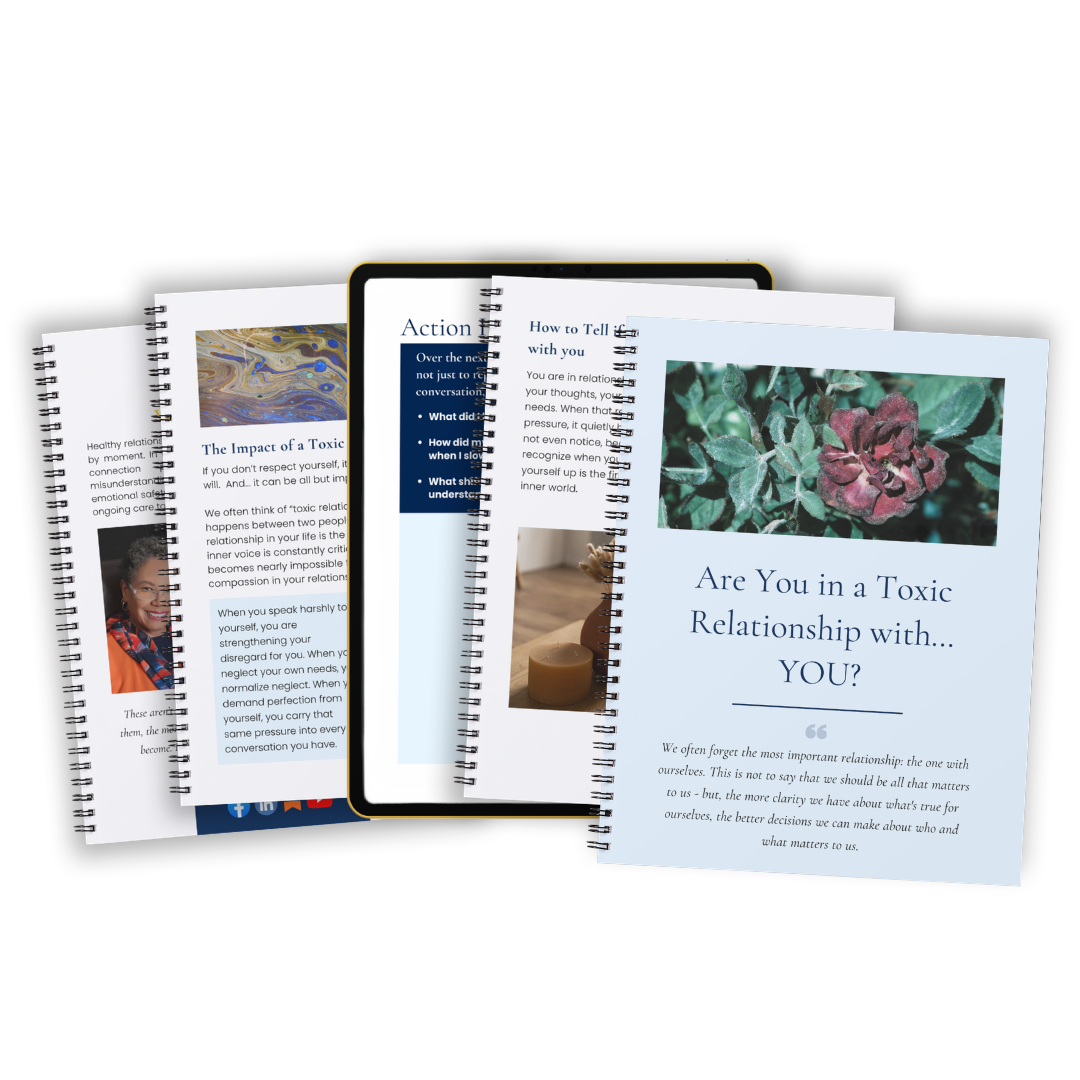
What if the most toxic relationship in your life is the one you have with yourself?
The truth? We don’t always recognize when we’re the ones hurting ourselves. We can criticize ourselves, ignore our own needs, dismiss our feelings, and repeat patterns that leave us feeling stuck—often without realizing the impact on how we feel, the choices we make, and the relationships we have with others.
Are You in a Toxic Relationship With You? is a free guide designed to help you recognize the patterns that may be keeping you stuck and start changing the way you relate to yourself.
Inside, you’ll discover how to:
- Recognize the red flags in your relationship with yourself
- Identify patterns of self-criticism, self-doubt, and self-sabotage that may be affecting your choices and well-being
- Understand what you actually need instead of constantly overriding yourself
- Shift the way you talk to and treat yourself with greater compassion
- Take practical steps toward a healthier relationship with you
Dr. Pamela Brewer
What is M.E.S.H?
In a world where fact and fiction are often blurred, Dr. Brewer will spend 20 minutes each week hosting live and recorded conversations to help you gain insights and practical takeaways about what truly matters: you, your life, your decisions, and your relationship with yourself and others. In short: your world.
Listen to perspectives designed to support you, respect you, and honor what matters most to you.
Receive M.E.S.H. Updates
A Personal Invitation to a Special Event
A Forum for Black Women Now!!
Sister-Talk: Everything You Need to Know About the Forum
Live Show Recordings
Create the life you want to live

M.E.S.H. Episode #59
Undaunted Trailblazers: The Men of Color Shaping Oral Health
What if a trip to the dentist is about far more than your teeth—about health, history, access, and who gets to see themselves reflected in the people who care for them? On this illuminating episode of M.E.S.H., Dr. Pamela Brewer welcomes Dr. Leo E. Rouse, Dean Emeritus of the Howard University College of Dentistry, the first African American president of the American Dental Education Association, and former commander of the Army Dental Command. 💛 With warmth and quiet authority, Dr. Rouse traces his path from a wax-carving third grader inspired by his family dentist to a 50-year career devoted to breaking paradigms and holding doors open for others. He makes a compelling case that oral health is total health, explains why representation in dentistry is a genuine concern when only 3.8% of U.S. dentists are African American, and shares the legacy captured in the book Undaunted Trailblazers. This is a rich, hopeful conversation about mentorship, legacy, and the truth that becoming a trailblazer means holding the door wide open for everyone who follows.
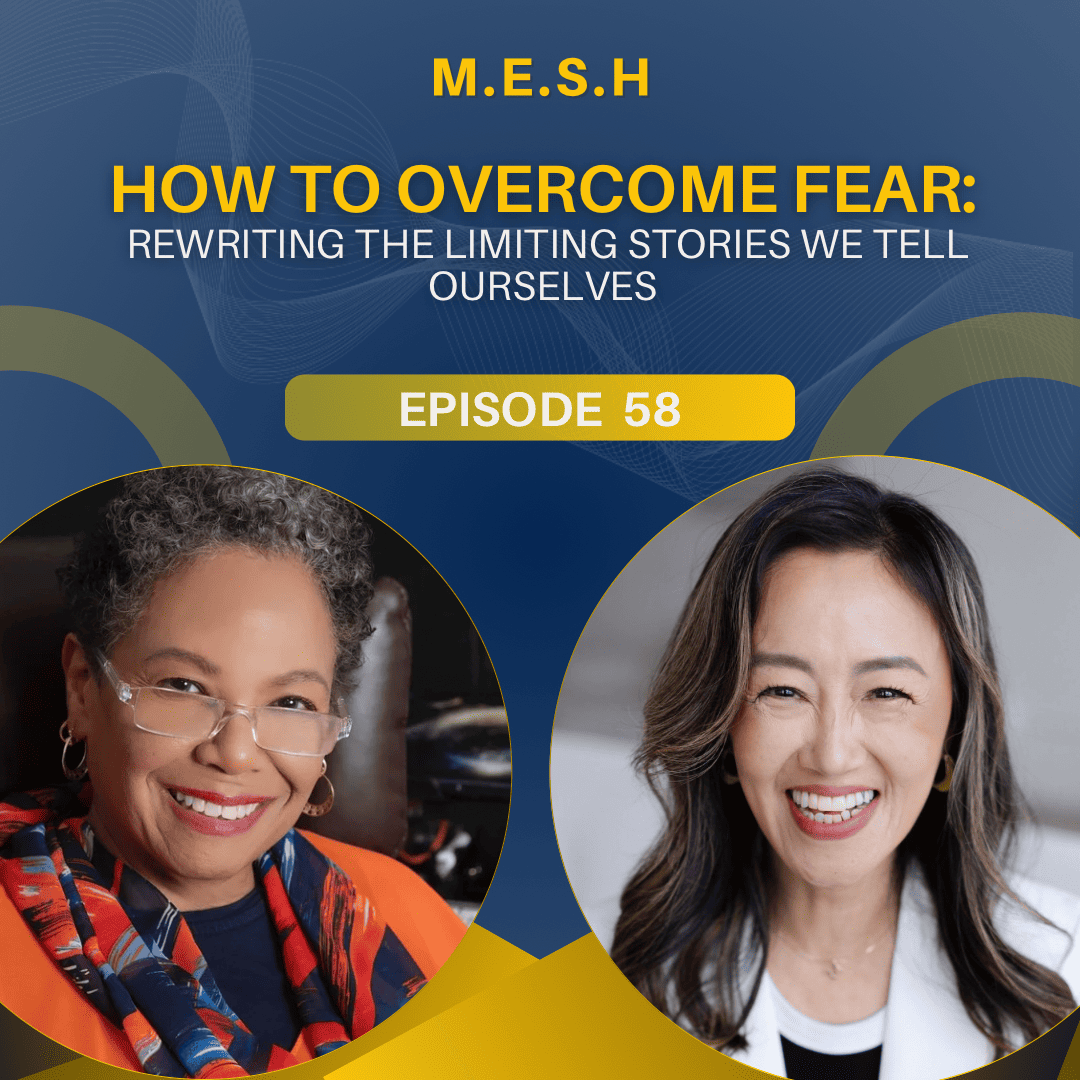
M.E.S.H. Episode #58
Choice, Courage, Confidence: The Anatomy of Resilience
What if fear didn’t get to decide your next step—and resilience was simply a choice you could make again each morning? On this energizing episode of M.E.S.H., Dr. Pamela Brewer welcomes Michelle Kuei, founder of Elevate Life Coaching, for a conversation about courage, choice, and the quiet power of refusing to let expectations become your reality. 💛 Michelle shares the remarkable story of hiking 26 miles to the summit of Machu Picchu—on two crutches, at four feet four inches tall—and what that four-day journey taught her about belonging, possibility, and who she really is. Along the way, she offers her “Five C’s” framework for building resilience, a practical reframing exercise anyone can try today, and a liberating truth: courage, like fear, is already inside you. This is a warm, galvanizing conversation for anyone who has ever felt too different, too afraid, or too anything to begin.
.
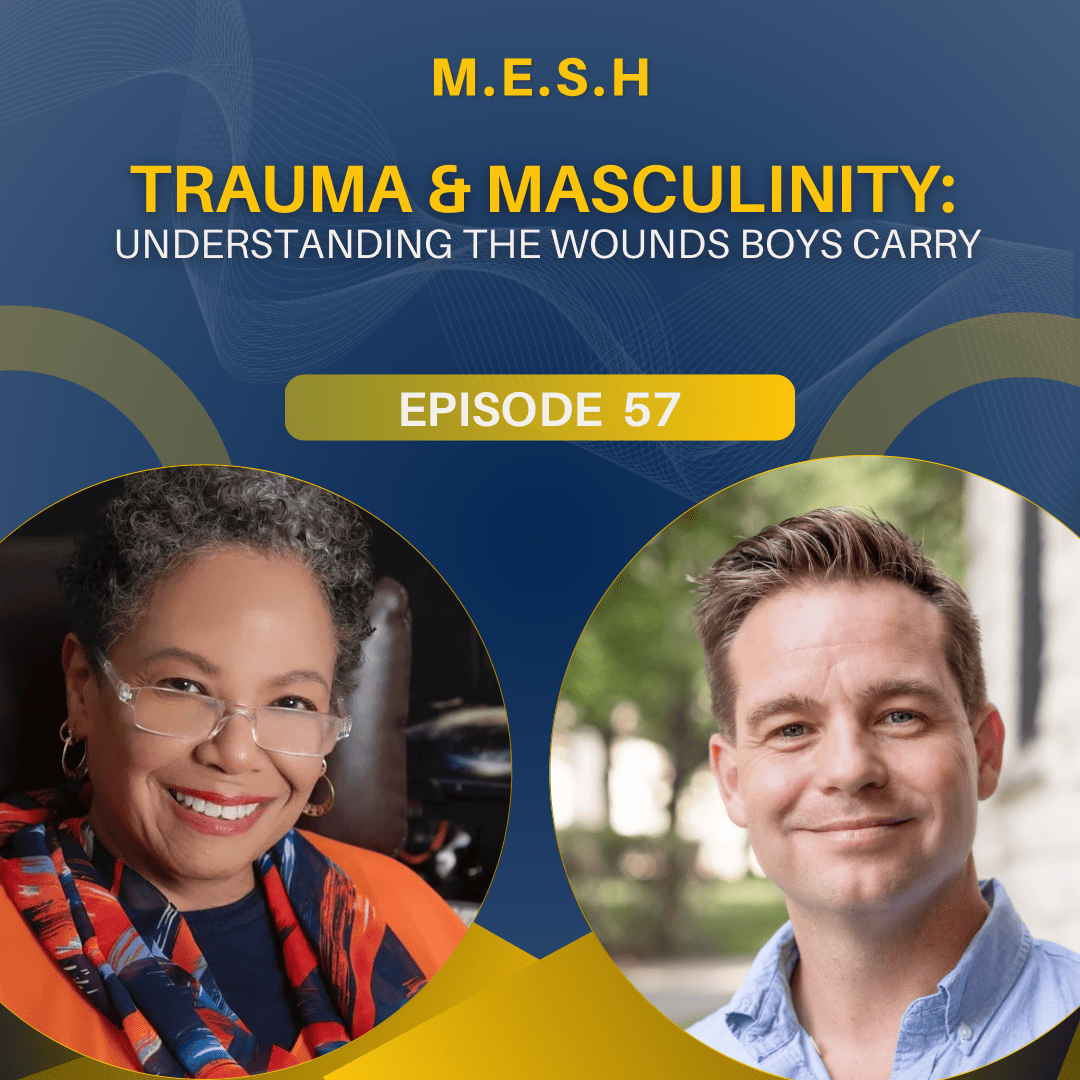
M.E.S.H. Episode #57
The Trauma We Don't Call Trauma
What if the behavior we’re quickest to punish is actually a wound asking to be understood? On this profound episode of M.E.S.H., Dr. Pamela Brewer welcomes Dr. Adam McCormick, a professor of social work at St. Edward’s University, author, and facilitator of trauma and masculinity groups for boys and young men in the foster care and criminal legal systems. 💛 With deep compassion and clarity, Dr. McCormick reframes trauma not as the terrible things that happen to a young person, but as the wound left behind—and the stories a child constructs to make sense of it. He explains why boys so often push away the very connection they need to heal, how the most rigid institutions hold the most wounded young people, and why accountability and compassion can absolutely coexist. Through a striking story of a young man placed in 26 different foster homes, Dr. McCormick reveals both the depth of the harm and the profound hope at the center of his work: while we can’t rewrite what happened, the meaning a young person makes of it is negotiable—and connection is what heals. This is a moving, caregivers, helpers, and anyone who loves someone carrying old wounds.
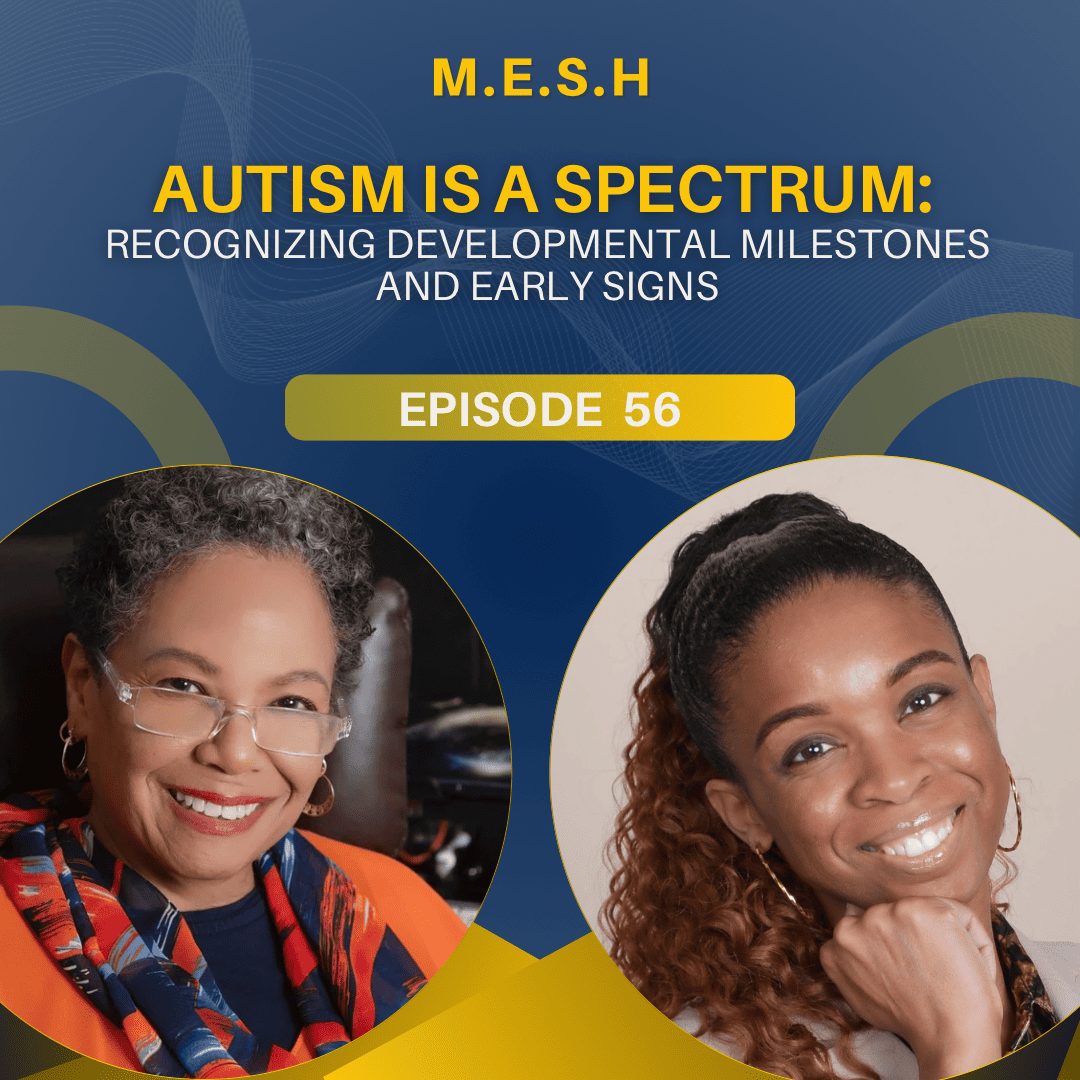
M.E.S.H. Episode #56
Autism Across The Lifespan
What does it really mean to be on the autism spectrum—and how can we build a world that meets people where they are? In this warm and illuminating episode of M.E.S.H., Dr. Pamela Brewer welcomes Alisha Simpson-Watt, a social worker, board-certified behavior analyst, author, and founder of Collaborative ABA Services. 💛 Drawing on both her professional expertise and her experience as the parent of a child on the spectrum, Alisha helps us understand autism as it truly is: not a one-size-fits-all diagnosis, but a spectrum that looks different across individuals and across a lifespan. She walks us through what autism can look like in children and adults, why early support matters, and how to talk about a diagnosis with family members who may be reluctant to hear it. Throughout, Alisha offers a message of grace and hope—reminding parents that a diagnosis is not their fault, that inclusion means adjusting our world rather than the person, and that focusing on a child’s strengths changes everything. This is a compassionate, myth-busting conversation for parents, partners, employers, and anyone who wants to understand the spectrum more deeply.
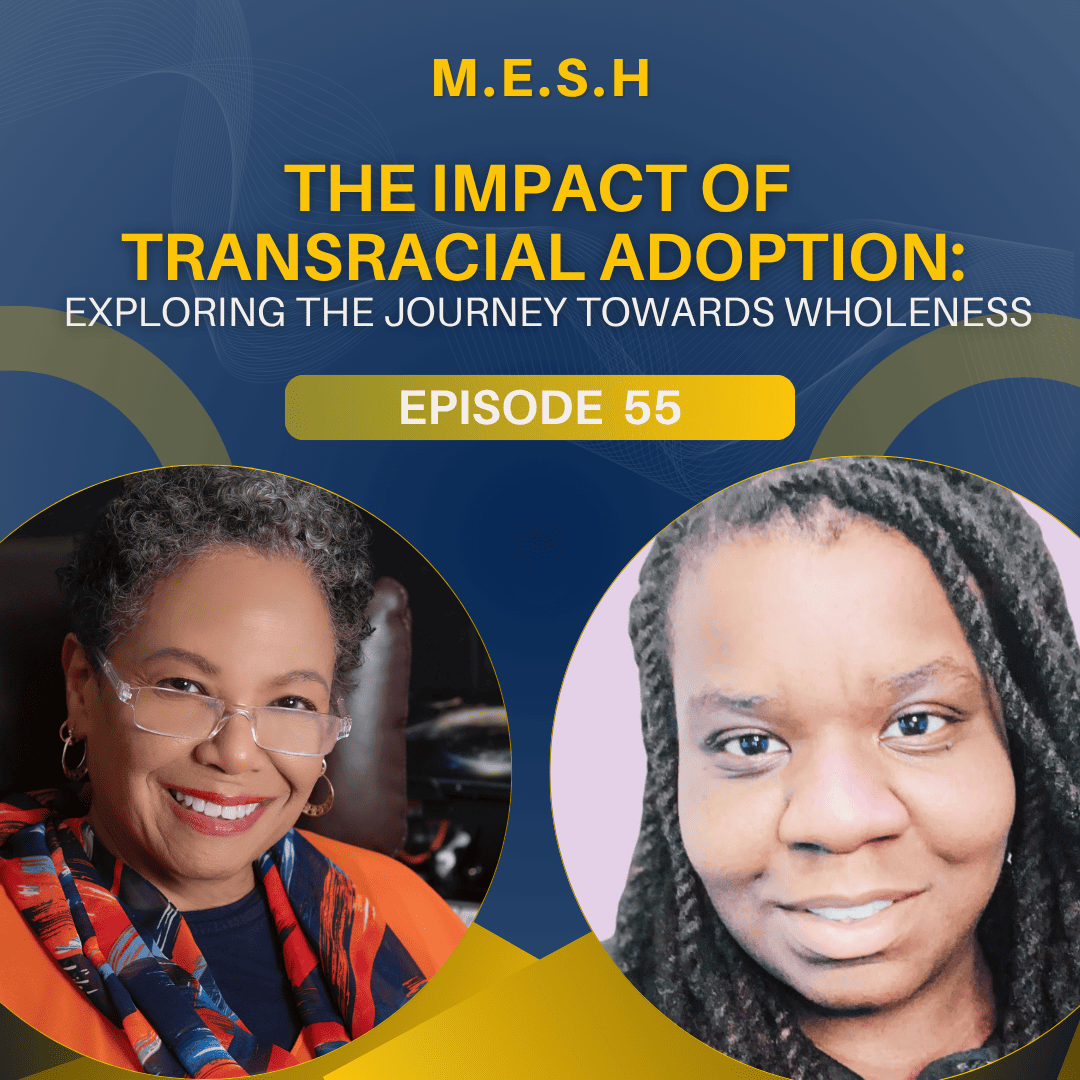
M.E.S.H. Episode #55
Healing Out Loud: One Woman's Journey Toward Wholeness
What does it mean to finally exhale after holding your breath for years? In this deeply moving episode of M.E.S.H., Dr. Pamela Brewer welcomes Daphne Joy, who shares her personal healing journey with remarkable honesty and grace. 💛 Haitian-born and raised in a predominantly white environment far from her culture and community, Daphne describes the fragmentation that came from suppressing who she was—and the profound relief of being fully immersed, for the first time, in spaces where she was seen, welcomed, and simply talked to rather than talked past. She opens up about the pain of transracial adoption, the loss of her language and culture, and the honorary adoption by an American Black family that became one of the most healing experiences of her life. Throughout, Daphne Joy offers hope and hard-won wisdom for anyone at the start of their own healing: don’t give up, don’t let others define your path, and if you don’t know where to begin, begin with writing. This is a tender, powerful conversation about identity, belonging, and the courage it takes to become whole.
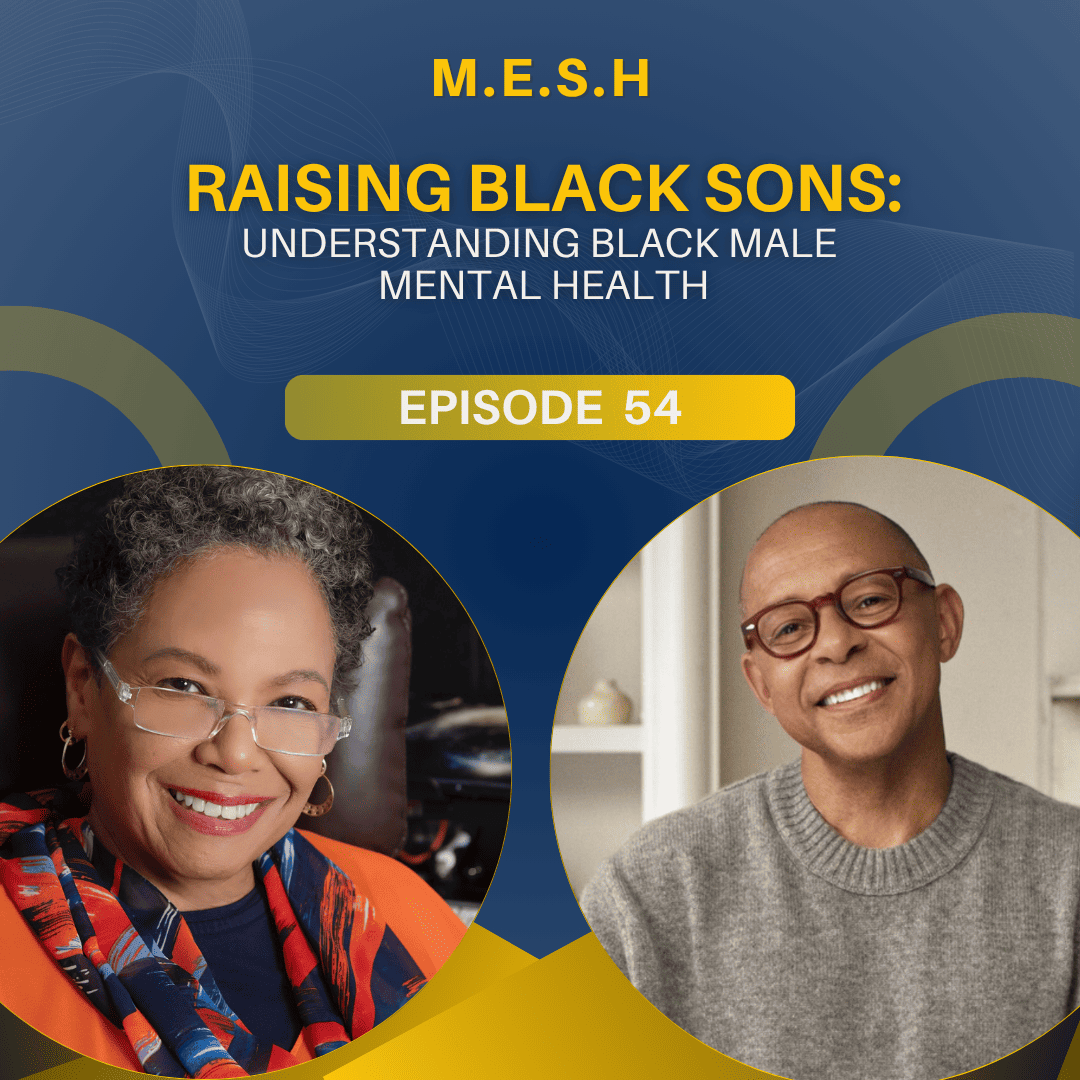
M.E.S.H. Episode #54
Dr. Jeff Gardere on Racism, Resilience, and Raising Black Sons
Some conversations couldn’t be more timely, or more necessary. On this important episode of M.E.S.H., Dr. Pamela Brewer welcomes Dr. Jeffrey Gardere, a board-certified clinical psychologist, professor of behavioral medicine, and one of the most respected voices in the field. 💛 Together they explore the mental health of African American teens, who carry not only the universal challenges of adolescence but also the added weight of racism, violence, social media pressure, and uncertainty about the future. Dr. Gardere speaks candidly about the very real fears facing parents of Black children, the generational advice passed from his own parents to his sons, and the way depression in young Black males is so often masked as anger, isolation, or self-destructive behavior. Most importantly, he offers parents and caregivers a compassionate path forward: create physical and psychological safety, truly listen, and model what healthy emotional expression looks like. This is a candid, deeply human conversation about pain, resilience, and the enduring power of love and being heard.